The new wave of influencer marketing involves a shift away from traditional celebrities and towards “micro-influencers,” who have smaller, but highly engaged audiences. Additionally, new technologies, such as augmented reality and virtual reality, are being used to enhance influencer marketing campaigns.
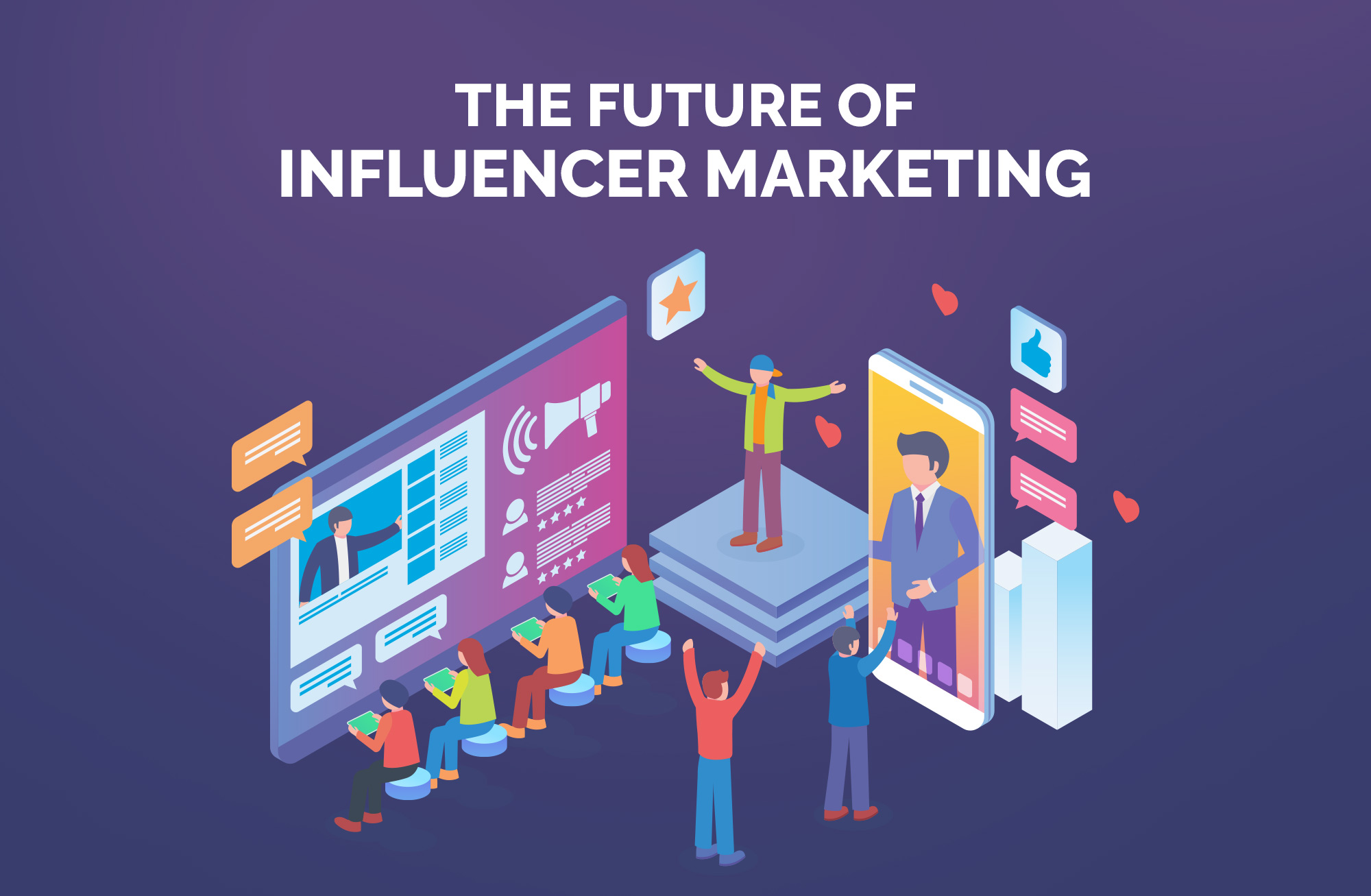
Types OF The New Wave Of Influencer Marketing
1. Micro and Nano Influencers Take Center Stage
Definition:
- Micro Influencers: Individuals with 10,000 to 100,000 followers.
- Nano Influencers: Individuals with fewer than 10,000 followers.
Why the Shift?
- Higher Engagement Rates: Micro and nano influencers often boast more engaged and loyal audiences compared to their mega counterparts.
- Authenticity: Smaller influencers are perceived as more relatable and trustworthy.
- Cost-Effectiveness: Collaborations are generally more affordable, allowing brands to engage multiple micro/nano influencers within the same budget as a single macro influencer.
Impact:
- Brands are diversifying their influencer portfolios to include a mix of micro and nano influencers, fostering authentic connections with niche audiences.
2. Emphasis on Authenticity and Transparency

Key Elements:
- Genuine Endorsements: Audiences increasingly value honest and sincere product recommendations over scripted promotions.
- Disclosure Compliance: Strict adherence to advertising guidelines and transparent disclosure of sponsored content to maintain trust.
Strategies:
- Long-Term Partnerships: Building ongoing relationships rather than one-off campaigns to enhance credibility.
- Content Co-Creation: Collaborating with influencers to develop content that aligns naturally with their personal brand and audience interests.
Outcome:
- Enhanced brand credibility and stronger connections with consumers, leading to higher conversion rates and customer loyalty.
3. Diversification Across Platforms

Emerging Platforms:
- TikTok: Continues to dominate with short-form video content and viral trends.
- Instagram Reels and Stories: Expanding functionalities for interactive and ephemeral content.
- YouTube Shorts: Competing in the short-form video space.
- Emerging Social Platforms: Platforms like Clubhouse, Twitch, and newer entrants are being leveraged based on audience demographics.
Strategic Approaches:
- Tailoring content strategies to fit the unique formats and user behaviors of each platform.
- Utilizing platform-specific features (e.g., TikTok challenges, Instagram Shopping) to enhance engagement and drive sales.
Benefits:
- Reaching diverse audience segments and staying ahead of platform popularity shifts ensures sustained relevance.
4. Integration of E-Commerce and Social Commerce
Features:
- Shoppable Posts: Direct links to purchase products within social media posts.
- Affiliate Marketing: Influencers earn commissions on sales generated through their unique links or codes.
- Live Shopping Events: Real-time product demonstrations and sales during live streams.
Technological Enhancements:
- Augmented Reality (AR): Virtual try-ons and interactive product experiences.
- Seamless Payment Solutions: Streamlined checkout processes integrated into social platforms.
Advantages:
- Shortened customer journey from discovery to purchase, enhancing conversion rates.
- Providing measurable ROI through direct sales attribution.
5. Rise of Video Content and Live Streaming

Trends:
- Video Dominance: Increasing preference for video content over static images or text, driven by higher engagement rates.
- Live Streaming: Real-time interactions foster deeper connections and immediate feedback.
Content Types:
- Tutorials and How-Tos: Educational content that adds value and showcases product use.
- Behind-the-Scenes: Offering glimpses into the influencer’s life or brand operations to build relatability.
- Interactive Q&A Sessions: Engaging audiences through direct communication and personalized responses.
Impact:
- Enhanced viewer engagement and higher retention rates.
- Greater opportunities for storytelling and brand narrative integration.
6. Data-Driven Influencer Selection and Campaign Optimization

Tools and Techniques:
- Advanced Analytics: Leveraging data to assess influencer performance, audience demographics, and engagement metrics.
- AI and Machine Learning: Predictive analytics for identifying the best-fit influencers and forecasting campaign outcomes.
- ROI Measurement: Utilizing sophisticated tracking methods to quantify the effectiveness of influencer partnerships.
Benefits:
- More strategic and informed decision-making in influencer collaborations.
- Improved campaign performance through continuous optimization based on data insights.
7. Focus on Diversity, Equity, and Inclusion (DEI)

Importance:
- Reflecting societal shifts towards valuing diverse voices and inclusive representation.
- Building stronger connections with diverse consumer bases by showcasing authentic and varied perspectives.
Implementation:
- Partnering with influencers from different backgrounds, cultures, and communities.
- Creating content that resonates with and respects the diversity of the target audience.
Outcome:
- Enhanced brand reputation and loyalty among a broader and more diverse consumer base.
8. Sustainability and Social Responsibility
Consumer Expectations:
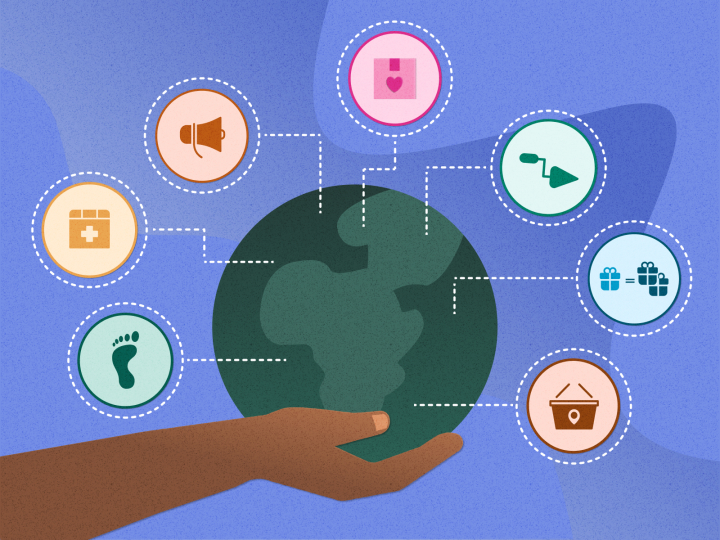
- Increasing demand for brands to demonstrate commitment to environmental and social causes.
Influencer Role:
- Advocating for sustainable products and practices.
- Highlighting brands’ efforts in corporate social responsibility (CSR) initiatives.
Strategic Alignment:
- Collaborating with influencers who are passionate about sustainability to authentically promote eco-friendly products and initiatives.
Result:
- Building brand trust and appeal among socially conscious consumers.
Future Outlook
The new wave of influencer marketing is characterized by greater sophistication, authenticity, and integration with broader digital strategies. As technology continues to evolve, influencers will likely leverage advancements like augmented reality, virtual reality, and artificial intelligence to create more immersive and personalized content. Additionally, the blurring lines between creators and consumers may lead to more community-driven and participatory marketing approaches.
Brands that stay abreast of these trends, prioritize genuine connections, and maintain flexibility in their strategies will be well-positioned to harness the full potential of influencer marketing in the years to come.
Conclusion
Influencer marketing is undergoing a transformative phase, driven by changing consumer expectations, technological innovations, and a heightened emphasis on authenticity and ethical practices. By embracing these emerging trends and adapting to the evolving landscape, brands can effectively engage with their target audiences, foster meaningful relationships, and achieve sustainable growth through influencer collaborations.